
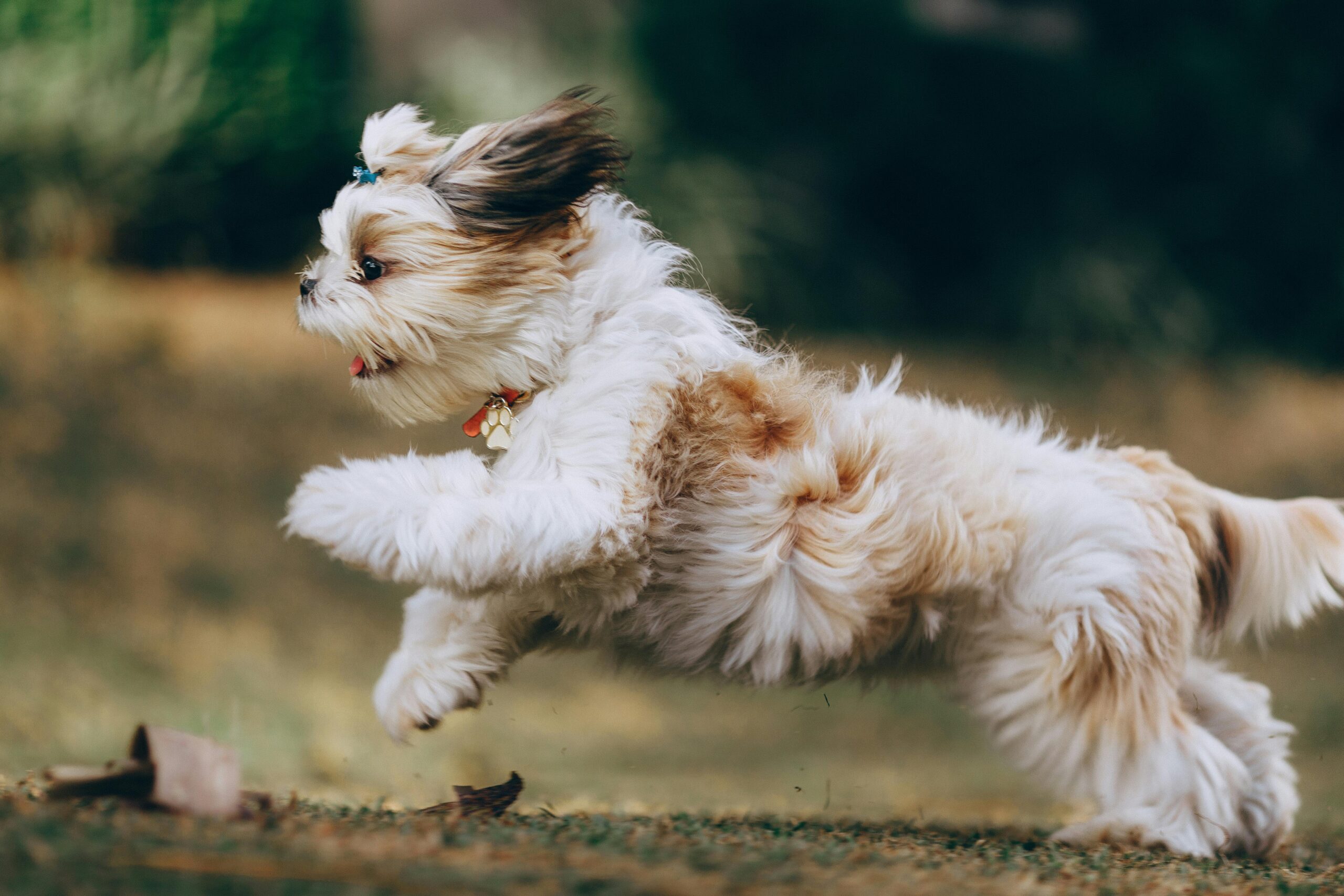
Your backyard should be a place where your dog can run, play, and relax without turning into a muddy, smelly, unhealthy mess. But if you have one dog or several, it does not take long for the yard to start showing signs of wear. Dog waste, worn grass, standing water, pests, and bacteria can all build up faster than most people realize.
The good news is that keeping your dog’s yard cleaner and healthier does not have to be complicated. A few simple habits can make a big difference in how your yard looks, smells, and feels for both your family and your pets.
1. Pick Up Dog Waste Regularly
The most important step in keeping your dog’s yard clean is staying on top of pet waste. Dog poop is more than just unpleasant. It can carry harmful bacteria and parasites, and it can also contribute to the spread of illnesses between dogs, including parvo when an infected dog has contaminated the area.
The longer waste sits in the yard, the more opportunity there is for contamination, odors, flies, and messy buildup. Regular pickup helps reduce health risks, keeps your yard more sanitary, and makes the space much more enjoyable to use.
2. Keep the Grass Maintained
Tall, overgrown grass can make it harder to spot waste and may create a better environment for pests to hide. Keeping your lawn trimmed helps you stay ahead of messes and keeps the yard looking neat.
Healthy grass also makes the yard more comfortable for your dog to play in. If certain areas are being worn down from heavy traffic, consider reseeding or rotating where your dog spends the most time to give those spots a chance to recover.
3. Eliminate Standing Water
Puddles and wet areas can quickly become a problem in a dog yard. Standing water attracts mosquitoes, creates muddy patches, and can contribute to bacteria growth. It can also encourage your dog to track mud and dirty water back into the house.
If you notice water pooling in parts of the yard after rain, it may help to improve drainage, fill in low spots, or block off those areas until they dry out. A drier yard is usually a cleaner and healthier one.
4. Rinse and Clean High-Use Areas
Some parts of the yard get more use than others. Gates, patio edges, artificial turf, kennel runs, and favorite bathroom spots can all collect grime over time. Giving those areas an occasional rinse or cleaning can help reduce odor and buildup.
For hard surfaces, regular washing can go a long way. For pet-specific surfaces like turf or gravel areas, a more thorough cleaning routine may be needed to keep them fresh and sanitary.
5. Watch for Pests
A yard that is not cleaned regularly can attract flies and other unwanted pests. Dog waste is one of the main reasons this happens. Once pests start showing up, they can become a nuisance for both your family and your dog.
Keeping the yard picked up, trimmed, and dry helps make it less attractive to insects. If you are seeing a lot of flies or mosquitoes, it may be a sign that the yard needs more consistent attention.
6. Create a Designated Potty Area
One of the easiest ways to keep the rest of the yard cleaner is to train your dog to use one designated area for bathroom breaks. This can make cleanup easier, help protect the rest of your lawn, and reduce the spread of mess throughout the property.
A designated potty area can be especially helpful for families with children, multiple dogs, or smaller yards where clean play space is limited.
7. Stay Consistent
The biggest key to a cleaner, healthier yard is consistency. Waiting until the mess becomes overwhelming only makes the job harder. A little routine maintenance goes a long way toward preventing odors, lawn damage, pest issues, and unhealthy conditions.
When waste is removed regularly and the yard is kept maintained, your outdoor space becomes much more enjoyable for everyone. Your dog gets a cleaner place to play, and you get a yard that feels more welcoming instead of stressful.
Why It Matters
A clean dog yard is not just about appearances. It is about protecting your pets, your family, and your outdoor space. Regular maintenance helps reduce exposure to bacteria and parasites, discourages pests, protects your grass, and makes the yard safer for daily use.
Whether you are trying to keep things sanitary for your kids, protect your dog from unhealthy conditions, or simply enjoy your backyard more, a cleaner yard makes a real difference.
Final Thoughts
Keeping your dog’s yard cleaner and healthier does not require perfection. It just requires consistency. Regular waste removal, lawn maintenance, pest prevention, and attention to problem areas can completely change the way your yard looks and feels.
A little effort now can save you from a much bigger mess later, and it helps create a safer, fresher environment for both you and your dog.